Categories
Business Cryptocurrency Investment News

Riding the Digital Wave: Bitcoin’s Imminent Surge to $100,000

In the realm of digital currencies, Bitcoin stands as the pioneering and most coveted cryptocurrency, captivating investors and financial analysts alike with its remarkable volatility and potential for substantial returns. Amidst the backdrop of global economic shifts and a growing acceptance of digital assets, the prospect of Bitcoin reaching the monumental milestone of $100,000 is not just speculative fiction but a scenario drawing closer to reality. This article delves into the multifaceted reasons supporting Bitcoin’s potential ascent to $100,000, exploring technological advancements, institutional adoption, macroeconomic factors, and more.

The Technological Evolution: Bitcoin’s Maturing Infrastructure

Bitcoin’s journey from a novel digital currency to a serious investment asset is underscored by significant advancements in its underlying technology and infrastructure. The development of more sophisticated and secure wallets, improved transaction efficiency through the Lightning Network, and the implementation of protocols enhancing privacy and scalability, all contribute to a more robust ecosystem. These technological strides not only bolster Bitcoin’s usability and appeal but also strengthen its position as a reliable store of value, attracting a broader base of users and investors.

Institutional Adoption: A Vote of Confidence

A pivotal factor propelling Bitcoin towards the $100,000 mark is the increasing institutional adoption. Major corporations, financial institutions, and even governments are beginning to recognize Bitcoin’s value proposition as both an investment asset and a hedge against inflation. High-profile investments by companies such as Tesla, and the inclusion of Bitcoin in the balance sheets of leading financial firms, signal a growing trust and validation of cryptocurrency as a legitimate asset class. This wave of institutional support not only injects significant capital into the Bitcoin market but also enhances its legitimacy and stability, paving the way for further adoption.

Macroeconomic Factors: The Tailwinds of Inflation and Currency Devaluation

The global economic landscape, characterized by unprecedented levels of government debt, inflationary pressures, and the devaluation of fiat currencies, serves as a powerful catalyst for Bitcoin’s ascent. As central banks continue to print money in response to economic crises, savvy investors turn to Bitcoin as a digital safe haven, akin to gold. Bitcoin’s capped supply of 21 million coins stands in stark contrast to the unlimited printing of fiat currencies, highlighting its appeal as a hedge against inflation and currency devaluation.

Global Adoption and the Network Effect

Bitcoin’s journey to $100,000 is also fueled by its expanding global adoption and the network effect. As more individuals and businesses embrace Bitcoin for transactions, savings, and remittances, its utility and value grow exponentially. Emerging markets, where access to traditional banking services is limited, are witnessing a surge in Bitcoin adoption, further expanding its user base. The growing recognition of Bitcoin as a viable financial tool for the unbanked and underbanked populations of the world not only enhances its utility but also its potential market value.

Regulatory Clarity and Market Maturation

The initial years of Bitcoin’s existence were marred by regulatory uncertainty and skepticism. However, the landscape is shifting towards greater regulatory clarity and acceptance, with several countries establishing clear guidelines for cryptocurrencies. This evolving regulatory environment mitigates risks associated with legal ambiguities, attracting more conservative investors and financial institutions to the Bitcoin market. Furthermore, the maturation of Bitcoin as a market, exemplified by the development of futures, options, and other derivative products, enhances its liquidity and appeal as an investment asset.

The Fear of Missing Out (FOMO) and Speculative Demand

The psychological phenomenon of FOMO plays a significant role in Bitcoin’s price dynamics. Media coverage and social media buzz surrounding Bitcoin’s price surges ignite a fear of missing out among retail and institutional investors alike, leading to waves of speculative buying. While speculative demand can contribute to short-term volatility, it also draws attention to Bitcoin, encouraging more people to learn about and invest in cryptocurrency. This self-reinforcing cycle of media coverage, investor interest, and price increases can significantly propel Bitcoin’s value upward.

Challenges and Volatility: Navigating the Road Ahead

Despite the optimistic outlook, the path to $100,000 is fraught with challenges and volatility. Regulatory headwinds, technological issues, market manipulations, and shifts in investor sentiment can all impact Bitcoin’s price trajectory. Investors must navigate these uncertainties with a balanced perspective, recognizing both the potential rewards and risks involved in cryptocurrency investment.

Conclusion: The Dawn of a New Financial Era

The confluence of technological advancements, institutional adoption, macroeconomic factors, global acceptance, regulatory clarity, and speculative demand create a compelling case for Bitcoin’s potential rise to $100,000. This milestone is more than just a numerical target; it represents a shift in the financial paradigm, where digital assets play a pivotal role in the global economy. While the journey to $100,000 may be turbulent, the underlying forces propelling Bitcoin forward suggest that this landmark is not only achievable but could be on the horizon sooner than many anticipate. As we stand on the brink of this new financial era, Bitcoin remains at the forefront, charting the course towards uncharted territories of value and possibility.


Categories
Featured Investment News

Unearthing Gems: The Weekly Guide to Finding the Best Tech Stock Picks

In the rapidly evolving landscape of technology, identifying the most promising tech stock picks each week can seem like searching for a needle in a digital haystack. Yet, with the right strategies and insights, investors can uncover opportunities that not only promise substantial returns but also align with future technological trends and innovations. This article serves as a comprehensive guide to navigating the tech stock market, offering valuable tips and methodologies to help you discover the best tech stock picks week after week.

Understanding the Tech Sector Landscape

The technology sector is broad and diverse, encompassing companies involved in software development, hardware manufacturing, IT services, and more. Before diving into stock picks, it’s crucial to understand the various sub-sectors within tech, including:

  • Software and Services: Companies that develop software or provide internet services, including cloud computing and e-commerce.
  • Hardware and Equipment: Firms that manufacture electronic equipment, computers, and mobile devices.
  • Semiconductors: Companies that design and produce semiconductor materials and devices.

Each of these sub-sectors responds differently to market trends and economic factors, making it essential to diversify your tech stock portfolio across different areas.

Staying Ahead with Fundamental and Technical Analysis

Fundamental Analysis

Fundamental analysis involves evaluating a company’s financial health, business model, industry position, and potential for growth. Here are key aspects to consider:

  • Earnings Growth: Look for companies with consistent and sustainable earnings growth.
  • Revenue Growth: Strong and growing revenue indicates a company’s ability to increase market share and sales.
  • Profit Margins: Higher profit margins can indicate efficient management and a competitive edge.
  • Debt-to-Equity Ratio: A low debt-to-equity ratio suggests that a company isn’t overleveraged and has a sustainable growth model.

Technical Analysis

Technical analysis helps investors identify trends and patterns in stock price movements. Key indicators include:

  • Moving Averages: A stock trading above its moving averages may indicate an uptrend, while trading below could suggest a downtrend.
  • Relative Strength Index (RSI): An RSI above 70 might indicate a stock is overbought, while below 30 could suggest it’s oversold.
  • Volume: High trading volume can validate a price trend, offering insights into investor sentiment.

Leveraging Market Sentiment and News

Staying informed with the latest tech news and market sentiment is crucial. Developments such as product launches, mergers and acquisitions, regulatory changes, and technological breakthroughs can significantly impact stock prices. Utilize financial news platforms, tech blogs, and social media to stay updated. Analyzing market sentiment through tools that track investor discussions and sentiment on social media can also provide valuable insights.

The Importance of Diversification and Timing

Diversifying your tech stock portfolio can reduce risk and optimize returns. Don’t put all your eggs in one basket; instead, invest in a mix of established companies and promising startups across different tech sub-sectors. Moreover, timing your investments can be key. While it’s challenging to time the market perfectly, buying stocks during market dips or when a company’s fundamentals are strong but its stock price is undervalued can be strategic moves.

Continuous Learning and Adaptation

The tech sector is dynamic, with new trends and technologies emerging constantly. Continuous learning is essential to stay ahead. Follow tech influencers, participate in forums, and attend tech and investment conferences to gain insights and perspectives.

Implementing the Strategy

Weekly Routine for Tech Stock Picks

  1. Market Research: Begin each week by scanning the tech sector for news, earnings reports, and any significant events.
  2. Analysis: Conduct both fundamental and technical analysis on potential stock picks. Utilize financial tools and platforms for in-depth analysis.
  3. Sentiment Analysis: Gauge market sentiment through news sources and social media. Consider investor sentiment in your decision-making process.
  4. Diversification Check: Ensure your picks align with your diversification strategy, balancing your portfolio across different tech sub-sectors.
  5. Decision Making: Decide on your investments based on your research, analysis, and investment strategy. Be prepared to adjust your picks based on the latest market conditions.

Conclusion

Finding the best tech stock picks each week requires diligence, research, and a keen understanding of the market. By combining fundamental and technical analysis with market sentiment and news, investors can make informed decisions that align with their investment goals and risk tolerance. Diversification and continuous learning are also key components of a successful investment strategy in the tech sector. While the process may seem daunting, the rewards of uncovering those hidden gems in the tech stock market can be substantial. Remember, the most successful investors are not just those who invest wisely but also those who invest continuously, adapting their strategies to navigate the ever-changing tech landscape.

Categories
Featured Latest News

Bridge Collapse Prevention. How the Key Bridge Disaster could have been easily prevented with concrete barriers

The collapse of a bridge is a tragic event, leading not only to potential loss of life but also to significant disruptions in transportation and commerce. The collapse of the Francis Scott Key Bridge prompts a critical examination of bridge safety and preventive measures. The Sunshine Skyway Bridge in Florida, known for its use of concrete dolphins as a protective measure, serves as a compelling case study for understanding how such tragedies might be avoided. This article explores how the implementation of concrete dolphins, similar to those used by the Sunshine Skyway Bridge, could potentially prevent catastrophic incidents like a bridge collapse.

Understanding Bridge Vulnerabilities

Bridges are engineering marvels, designed to withstand various stressors including heavy traffic, environmental conditions, and natural disasters. However, vulnerabilities exist, particularly from impacts with vessels, which can compromise their structural integrity. The catastrophic collapse of the original Sunshine Skyway Bridge in 1980, after being struck by a freighter, underscores the risks posed by shipping accidents. This tragedy led to the deaths of 35 people and prompted a reevaluation of bridge safety measures worldwide.

Concrete Dolphins: A Preventive Measure

In the wake of the Sunshine Skyway Bridge disaster, engineers sought to incorporate design features that would mitigate the risk of similar incidents. One such feature is the use of concrete dolphins—large, reinforced concrete structures placed in the water around bridge piers to absorb and dissipate the kinetic energy of colliding vessels. These dolphins act as a protective barrier, preventing ships from making direct contact with the bridge’s supports.

The Francis Scott Key Bridge: A Hypothetical Scenario

Let’s consider the Francis Scott Key Bridge, an integral part of infrastructure serving a bustling metropolitan area. Imagine a scenario where a lack of adequate protective measures leads to a collision with a large vessel, resulting in significant damage or even collapse. The repercussions would be immediate and widespread, affecting countless lives and the economy.

Learning from the Sunshine Skyway Bridge

The implementation of concrete dolphins around the Sunshine Skyway Bridge stands as a testament to proactive safety measures. These structures have proven effective in safeguarding the bridge against potential ship collisions, thereby ensuring the safety of its users and the continuity of its service. By studying the design and effectiveness of these dolphins, engineers and city planners can apply similar protective strategies to other bridges, like the Francis Scott Key Bridge, enhancing their resilience against such catastrophic events.

The Case for Concrete Dolphins

The case for installing concrete dolphins around vulnerable bridges is strong. They offer a robust first line of defense against accidental impacts, significantly reducing the risk of structural damage. Furthermore, the cost of installing these protective measures is often outweighed by the potential costs associated with a bridge collapse, including human casualties, economic losses, and the expenses related to reconstruction.

Implementation Challenges and Considerations

The installation of concrete dolphins is not without its challenges. Factors such as environmental impact, navigational hazards, and the specific design and location of each bridge must be carefully considered. However, with advancements in engineering and technology, solutions can be designed to minimize these concerns, making the implementation of concrete dolphins a feasible and effective strategy for enhancing bridge safety.

Conclusion

The hypothetical collapse of the Francis Scott Key Bridge serves as a poignant reminder of the importance of bridge safety and the need for proactive protective measures. The success of the concrete dolphins in safeguarding the Sunshine Skyway Bridge in Florida highlights their potential as a preventive measure against bridge collapses. By adopting similar strategies, we can significantly enhance the safety and resilience of critical infrastructure, ensuring that such tragedies are avoided in the future. Through careful planning, innovative design, and a commitment to public safety, we can protect our bridges and the lives of those who depend on them.

Categories
Business Investment News

Key Fed inflation gauge rose 2.8% annually in February, as expected

  • The personal consumption expenditures price index excluding food and energy increased 2.8% on a 12-month basis and was up 0.3% from a month ago, matching estimates.
  • Core PCE was up 0.3% for the month and 2.5% at the 12-month rate, compared to estimates for 0.4% and 2.5%.
  • Consumer spending shot up 0.8% on the month, well ahead of the 0.5% estimate. Personal income increased 0.3%, slightly softer than the 0.4% estimate.


Inflation rose in line with expectations in February, likely keeping the Federal Reserve on hold before it can start considering interest rate cuts, according to a measure the central bank considers its more important barometer.

The personal consumption expenditures price index excluding food and energy increased 2.8% on a 12-month basis and was up 0.3% from a month ago, the Commerce Department reported Friday. Both numbers matched the Dow Jones estimates.

Including volatile food and energy costs, the headline PCE reading showed a 0.3% increase for the month and 2.5% at the 12-month rate, compared to estimates for 0.4% and 2.5%.

Both the stock and bond markets were closed in observance of the Good Friday holiday.

While the Fed looks at both measures when making policy, it considers core to be a better gauge of long-term inflation pressures. The Fed targets 2% annual inflation; core PCE inflation hasn’t been below that level in three years.

“Nothing really super surprising. Obviously not the numbers the Fed wants to see, but I don’t think this is going to catch anybody off guard when they come back to work on Monday,” Victoria Greene, chief investment officer at G Squared Private Wealth, told CNBC. “I think everybody is going to pivot to labor pretty quickly and say well maybe if we see some weakness and cracks over here, this little stickiness in inflation and PCE isn’t going to matter as much.”

Rising energy costs helped push up the headline reading, with a 2.3% increase. The food index edged up 0.1%. Inflation pressures came more from the goods side, which rose 0.5%, compared to the 0.3% increase for services. That countered the trend over the past year, during which services rose 3.8% while goods actually fell by 0.2%.

Other upward pressure came from international travel services, air transportation, and financial services and insurance. On the goods side, the motor vehicles and parts category was the biggest contributor.

Along with the inflation increase, consumer spending shot up 0.8% on the month, well ahead of the 0.5% estimate, possibly indicating additional inflation pressures. Personal income increased 0.3%, slightly softer than the 0.4% estimate.

The release comes a little more than a week after the central bank again held its benchmark short-term borrowing rate steady and indicated it still has not seen enough progress on inflation to consider cutting. In their quarterly update of rate projections, members of the Federal Open Market Committee again pointed to three quarter-percentage point cuts this year and in 2025.

Markets expect the Fed to remain on hold again when it releases its decision on May 1, then begin cutting at the June 11-12 meeting. Market pricing is in line with FOMC projections for three cuts, according to the CME Group’s FedWatch measure of futures market action.

Categories
Business Cryptocurrency Investment News

Mining the Future: HUT 8’s Trailblazing Journey in the Digital Gold Rush

In the digital age, cryptocurrency has emerged as a new frontier of investment, innovation, and speculation. Within this burgeoning sector, HUT 8 Mining Corp stands out as a leading figure in the cryptocurrency mining industry, particularly known for its focus on Bitcoin. As investors and enthusiasts look to the horizon, the future of HUT’s stock price is a subject of keen interest, speculation, and analysis. This article dives deep into the factors that could shape the trajectory of HUT 8’s stock in the near future, exploring the technological advancements, market dynamics, regulatory landscape, and the company’s strategic positioning.

The Digital Gold Rush: HUT 8’s Strategic Edge

HUT 8 Mining Corp, named after a building at Bletchley Park where Alan Turing cracked the Enigma code, carries a legacy of solving complex problems. In the realm of cryptocurrency, HUT 8 has positioned itself as a leader by harnessing the computational power necessary to mine Bitcoin effectively. The company’s investment in cutting-edge mining technology, strategic partnerships, and a commitment to sustainability through the use of renewable energy sources underscores its competitive edge in the digital gold rush.

Market Dynamics and Cryptocurrency Volatility

The stock price of HUT 8, like that of many companies in the cryptocurrency sector, is intricately linked to the broader dynamics of the crypto market. Bitcoin’s price volatility directly impacts the profitability of HUT 8’s mining operations and, by extension, investor sentiment towards the company’s stock. While the cryptocurrency market has seen its share of highs and lows, the underlying trend towards digital currencies as a legitimate asset class suggests potential growth opportunities for HUT 8. However, investors must navigate the market’s inherent volatility with caution.

Technological Innovation and Efficiency

A critical factor that will influence HUT 8’s stock price in the near future is the company’s ability to stay ahead in the technological arms race of cryptocurrency mining. Efficiency in mining operations, achieved through advanced hardware and innovative cooling techniques, directly impacts the cost and speed of mining Bitcoin. HUT 8’s commitment to investing in the latest mining technology and exploring energy-efficient solutions positions it to maximize profitability and adapt to the evolving digital currency landscape.

The Regulatory Environment: A Double-Edged Sword

The regulatory environment surrounding cryptocurrency is a significant factor that could impact HUT 8’s operations and stock price. On one hand, clear and supportive regulations could legitimize and stabilize the cryptocurrency market, attracting more investors. On the other hand, strict or adverse regulations in key markets could pose challenges to HUT 8’s growth and profitability. The company’s ability to navigate the complex regulatory landscape will be crucial in shaping its future prospects.

Sustainability and Social Responsibility

As environmental concerns become increasingly central to investment decisions, HUT 8’s focus on sustainability could play a pivotal role in its stock performance. The company’s efforts to minimize its environmental footprint through the use of renewable energy sources and efficient mining practices not only reduce operational costs but also align with the growing demand for socially responsible investing. This commitment to sustainability could enhance HUT 8’s appeal to a broader range of investors, potentially driving up the stock price.

The Future of HUT 8: Navigating Uncertainty with Innovation

Looking ahead, the future of HUT 8’s stock price will likely be shaped by a combination of market dynamics, technological advancements, regulatory changes, and the company’s strategic decisions. While the volatile nature of the cryptocurrency market presents risks, HUT 8’s focus on innovation, efficiency, and sustainability provides a solid foundation for growth.

The increasing acceptance of cryptocurrencies as a legitimate asset class, combined with the potential for technological breakthroughs and favorable regulatory developments, presents significant opportunities for HUT 8. However, the company must also be prepared to navigate the challenges posed by market fluctuations, competition, and environmental concerns.

Conclusion

As we stand at the threshold of a new era in finance, HUT 8 Mining Corp’s journey in the digital gold rush encapsulates the opportunities and challenges of the cryptocurrency sector. The company’s strategic focus on technological innovation, efficiency, and sustainability positions it to capitalize on the growth of digital currencies. However, the path forward is fraught with uncertainties stemming from market volatility, regulatory changes, and environmental considerations.

Investors considering HUT 8’s stock must weigh these factors carefully, balancing the potential for high returns against the risks inherent in the cryptocurrency market. As HUT 8 continues to mine the future of digital currency, its stock price will be a barometer of not only the company’s success but also the broader acceptance and viability of cryptocurrency as a cornerstone of the modern financial landscape. In this digital gold rush, HUT 8 stands as a beacon for those willing to navigate the complexities of this new frontier with an eye towards innovation, sustainability, and growth.


Categories
Business Investment News

Empowering the Future: Enphase Energy’s Revolution in the Solar Industry

In the vast expanse of the renewable energy sector, solar power stands out as a beacon of hope and innovation. At the forefront of this revolution is Enphase Energy, a company that has dramatically reshaped the landscape of solar energy through its pioneering technology and visionary approach. This article delves into the profound impact of Enphase Energy on the solar business, exploring the state of the industry, the challenges it faces, and the potential pathways to a sustainable future.

The Rise of Enphase Energy: A Catalyst for Change

Founded in 2006, Enphase Energy embarked on a mission to revolutionize the solar industry with its microinverter technology. Unlike traditional solar systems that rely on a single inverter, Enphase’s microinverters are installed on each solar panel, optimizing the conversion of sunlight into electricity. This innovation not only increases energy efficiency but also enhances the reliability and safety of solar installations. The success of Enphase Energy is a testament to its ability to innovate and adapt, positioning itself as a leader in the global shift towards renewable energy.

The Current State of the Solar Business

The solar industry is at a pivotal juncture, characterized by rapid growth and technological advancements. Governments and corporations worldwide are increasingly committing to renewable energy goals, driven by the urgent need to combat climate change and reduce dependence on fossil fuels. The global solar market has responded with remarkable resilience, expanding its capacity and innovating to overcome obstacles. Enphase Energy’s role in this expansion cannot be overstated; its microinverter technology has set new standards for efficiency and accessibility in solar power systems.

Navigating Challenges and Opportunities

Despite the solar industry’s impressive growth, several challenges remain. Supply chain disruptions, regulatory hurdles, and the need for continued technological innovation are among the key obstacles facing solar companies. Enphase Energy, with its focus on R&D and strategic partnerships, is actively addressing these issues. The company’s commitment to improving its products and exploring new markets underscores the solar industry’s potential to overcome its challenges.

The transition to renewable energy also presents significant opportunities. The increasing affordability of solar installations, coupled with advancements in energy storage and smart grid technology, opens up new avenues for growth. Enphase Energy’s integrated systems, which combine microinverters with battery storage solutions, are at the forefront of this shift, offering consumers and businesses a more reliable and sustainable energy source.

The Impact of Policy and Market Dynamics

Government policies and market dynamics play a crucial role in shaping the solar industry. Incentives for renewable energy, such as tax credits and subsidies, have been instrumental in driving solar adoption. However, the industry’s growth is also influenced by geopolitical factors, including trade policies and international relations. Enphase Energy’s global presence and strategic approach to market expansion have allowed it to navigate these complex landscapes successfully.

The future of the solar industry is also tied to the evolution of energy markets. As solar becomes a more integral part of the energy mix, issues such as grid integration and electricity pricing become increasingly important. Enphase Energy’s smart technology solutions, which enable more efficient energy management and integration, are key to addressing these challenges.

Envisioning a Sustainable Future

The potential of solar energy to contribute to a sustainable future is immense. As the world moves towards decarbonization, the solar industry is expected to play a pivotal role in meeting global energy demands. Enphase Energy’s innovations in solar technology and energy management are paving the way for a future where renewable energy is not only viable but preferred.

The company’s vision extends beyond solar panels and microinverters; it encompasses a holistic approach to energy that includes storage, management, and smart grid technologies. By focusing on the entire energy ecosystem, Enphase Energy is helping to create a more sustainable and resilient energy landscape.

Conclusion

Enphase Energy’s journey from a startup to a leader in the solar industry is a compelling narrative of innovation, resilience, and vision. The company’s impact on the solar business is profound, driving technological advancements and setting new standards for efficiency and reliability. As the world continues to grapple with the challenges of climate change and energy security, the role of solar power and companies like Enphase Energy will be crucial.

The state of the solar industry is one of dynamic growth, facing challenges but also abounding with opportunities. The transition to renewable energy, led by solar power, is not just a technological shift but a fundamental transformation in how we generate, manage, and consume energy. Enphase Energy, with its pioneering technology and visionary approach, is at the heart of this transformation, empowering the future of solar energy.

Categories
Business Cryptocurrency Investment News

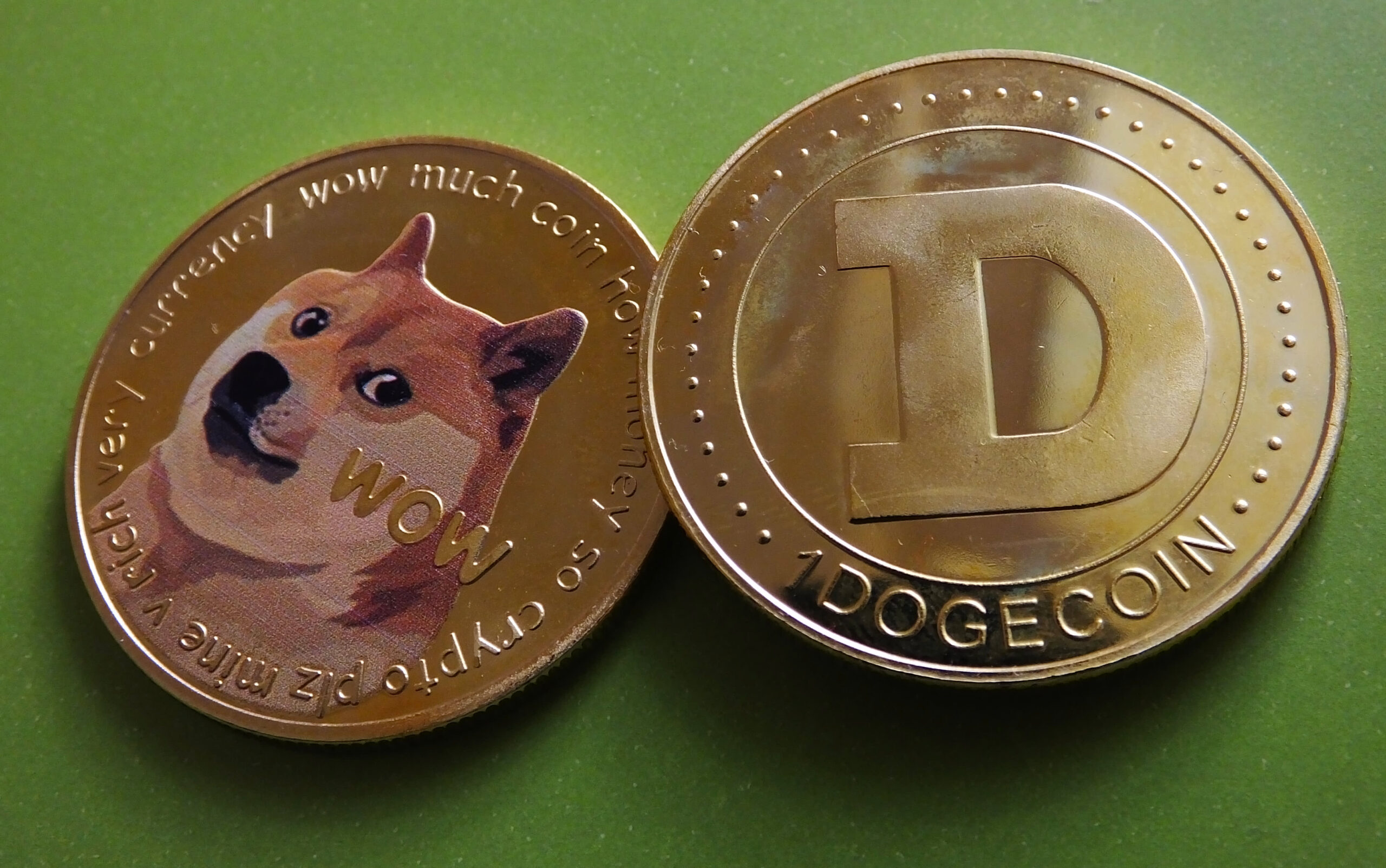
DOGE to 50 Cents? | Riding the Crypto Rollercoaster: The Resurgence of DOGE Coin to 50 Cents

In the kaleidoscopic world of cryptocurrency, the notion of resurgence is not only possible but has become somewhat of an expected turn in the labyrinthine journey of digital currencies. Among the array of cryptocurrencies, DOGE Coin stands out not only for its origin as a meme but also for its community-driven rise, volatility, and the speculation surrounding its future value. The question of whether DOGE Coin can climb back up to the 50-cent mark is intertwined with various factors including market dynamics, investor sentiment, and broader technological and economic trends. This article delves into the possibility of DOGE Coin’s resurgence to 50 cents, exploring the elements that could drive its value upward and the challenges it may face along the way.

The Meteoric Rise and the Power of Community

DOGE Coin’s journey from a joke to a cryptocurrency with a multi-billion dollar market capitalization is a testament to the power of community and the unpredictable nature of the crypto market. Initially created in December 2013 as a lighthearted alternative to Bitcoin, DOGE Coin quickly garnered a dedicated following, attracted by its fun and inclusive ethos. The cryptocurrency saw its first significant surge in value in 2021, propelled by a combination of celebrity endorsements, social media buzz, and a growing disillusionment with traditional financial systems among younger investors. This period highlighted the influence of retail investors and how collective action could challenge established market norms.

Market Dynamics and Investor Sentiment

The possibility of DOGE Coin reaching 50 cents again hinges on a complex interplay of market dynamics and investor sentiment. Cryptocurrencies are notoriously volatile, influenced by factors ranging from regulatory news to technological advancements and macroeconomic trends. For DOGE Coin, a resurgence to 50 cents would require a sustained increase in buying pressure, likely driven by positive developments within the DOGE ecosystem or broader crypto market bullish trends.

Investor sentiment, often swayed by social media and celebrity endorsements, plays a crucial role in the price movements of DOGE Coin. High-profile figures like Elon Musk have previously expressed support for DOGE, leading to significant price fluctuations. A renewed endorsement or adoption by major companies could serve as a catalyst for a price increase. However, the speculative nature of investor behavior in the crypto market adds a layer of unpredictability to the coin’s future value.

Technological Developments and Adoption

Beyond market speculation, the long-term value of DOGE Coin is linked to its technological developments and adoption as a means of transaction. Despite its origins, DOGE Coin has evolved, with its community and developers working on enhancing its utility and efficiency. Improvements in transaction speeds, security, and scalability can make DOGE more appealing to both individual and commercial users, potentially driving up demand and its price.

Adoption by merchants and integration into payment systems are crucial for increasing the utility of DOGE Coin. As more businesses accept DOGE as payment, its legitimacy and value as a currency grow. This increased adoption not only enhances the coin’s utility but also contributes to a positive feedback loop, attracting more users and investors to the DOGE ecosystem.

Economic and Regulatory Environment

The broader economic and regulatory environment plays a significant role in the cryptocurrency market’s fluctuations. Macroeconomic factors such as inflation rates, monetary policy, and global financial stability can influence investor interest in cryptocurrencies as a hedge or investment. Additionally, regulatory developments in major economies regarding cryptocurrency taxation, trading, and usage can have profound effects on market sentiment and the value of digital currencies like DOGE Coin.

In regions with favorable regulatory stances towards cryptocurrencies, DOGE could see increased adoption and investment, supporting its price growth. Conversely, restrictive regulations could limit its potential for growth, affecting its path to 50 cents.

Challenges and Considerations

While the prospect of DOGE Coin reaching 50 cents is tantalizing for enthusiasts and investors, several challenges could impede its growth. The cryptocurrency market’s inherent volatility and competition from thousands of other digital currencies mean that DOGE must continually evolve and maintain its relevance and appeal. Furthermore, the speculative nature of its surges raises questions about sustainability and the potential for significant corrections.

Conclusion

The journey of DOGE Coin to 50 cents is riddled with uncertainty, dependent on a myriad of factors from market dynamics to technological advancements, and the broader economic environment. While its community-driven rise and meme-based appeal have proven powerful in the past, sustaining long-term growth will require tangible advancements in its utility and broader adoption. As with any investment, particularly in the volatile world of cryptocurrency, potential investors should approach with caution, armed with research and an awareness of the risks involved. The question of DOGE’s return to 50 cents remains open, emblematic of the broader uncertainties and opportunities within the ever-evolving cryptocurrency landscape.

Categories
Business Investment News

The Resilient Climb of DJT: A Look Into Its Prosperous Future

In the ever-evolving landscape of global markets, few stories capture the imagination and optimism of investors quite like the tale of DJT. This multifaceted enterprise, with its roots deeply embedded in innovation, leadership, and strategic foresight, has continually defied expectations, emerging as a beacon of growth and resilience. As we delve into the fabric of its success, it becomes evident that the ascent of DJT’s stock is not merely a transient phenomenon but a testament to its enduring value and the promising outlook that lies ahead.

A Foundation of Robust Leadership

At the heart of DJT’s remarkable journey is a leadership team characterized by visionary thinking and an unwavering commitment to excellence. Guided by a forward-looking approach, the management has adeptly navigated the complexities of the global market, steering the company toward unprecedented heights. The strategic decisions, from diversifying its portfolio to investing in cutting-edge technology, have laid a solid foundation for sustained growth, reinforcing investor confidence and propelling the stock to new peaks.

Innovation as a Driving Force

Innovation stands as a cornerstone of DJT’s ethos. The company has consistently stayed ahead of the curve, pioneering advancements that have revolutionized its industry. This relentless pursuit of innovation not only enhances its competitive edge but also opens up new revenue streams, ensuring that DJT remains at the forefront of market trends. Such a proactive stance on innovation signals a bright future, one where DJT continues to lead and redefine its sector, further fueling the upward trajectory of its stock.

Financial Health and Performance

A glance at DJT’s financials reveals a picture of robust health and impressive performance. The company boasts a strong balance sheet, with a healthy cash flow that enables strategic investments and ensures operational resilience. Moreover, DJT’s consistent track record of revenue growth and profitability underscores its operational efficiency and market dominance. This financial stability is a critical factor in the stock’s appeal, offering investors a sense of security and optimism about the company’s future prospects.

Strategic Acquisitions and Partnerships

DJT’s strategic acquisitions and partnerships have been instrumental in its growth story. By aligning with complementary businesses and technologies, the company has expanded its market reach and enhanced its product offerings. These synergistic collaborations have not only accelerated growth but also diversified risk, making DJT a more resilient entity. The strategic foresight in selecting and integrating acquisitions demonstrates a keen understanding of the market landscape, promising continued expansion and value creation.

Global Expansion and Market Penetration

The company’s ambitious global expansion strategy has played a pivotal role in its ascent. By venturing into new geographies and tapping into emerging markets, DJT has significantly widened its customer base and revenue potential. This global footprint not only diversifies its revenue streams but also insulates the company from regional volatilities, ensuring steady growth. The ongoing efforts to penetrate and dominate new markets indicate a clear path to continued success and stock appreciation.

The Green Revolution and DJT’s Commitment

In an era where sustainability has become a global imperative, DJT has positioned itself as a leader in the green revolution. The company’s commitment to sustainable practices and investments in green technologies not only mitigate environmental impacts but also align with shifting consumer preferences and regulatory landscapes. This foresight in embracing sustainability not only enhances DJT’s brand value but also opens up avenues for innovation and growth, contributing to the stock’s positive outlook.

A Culture of Excellence and Community Engagement

Beyond financials and strategies, DJT’s culture of excellence and active community engagement contribute significantly to its appeal. By fostering a work environment that values innovation, integrity, and collaboration, DJT attracts and retains top talent, driving its success. Furthermore, its commitment to social responsibility and community involvement strengthens its brand and fosters loyalty among consumers and investors alike, adding another layer of value to the company and its stock.

The Future Looks Bright

As we look to the horizon, the trajectory of DJT’s stock appears not only promising but also sustainable. The combination of visionary leadership, strategic investments, innovation, and a commitment to sustainability positions DJT exceptionally well for the future. The company’s ability to adapt to changing market dynamics, coupled with its solid financial foundation and strategic growth initiatives, underscores a future of continued success and stock appreciation.

In conclusion, the ascent of DJT’s stock is a narrative of resilience, innovation, and strategic foresight. With its strong leadership, commitment to innovation, financial health, and strategic growth endeavors, DJT is poised for a future marked by prosperity and success. For investors, the journey of DJT offers not just an opportunity for financial growth but a chance to be part of a story that exemplifies resilience and forward-thinking. The stock’s continued rise is not merely an optimistic prediction but a reflection of the tangible value and potential that DJT brings to the table. In the dynamic tapestry of the global economy, DJT stands out as a luminous beacon, guiding the way toward a future filled with promise

Categories
Business Investment News

The Week Ahead: Navigating a Potential Market Pullback Amidst a Shortened Trading Schedule

As we step into a new week of trading, a combination of factors including a shortened trading schedule, the market’s current overbought condition, and a notable absence of positive catalysts, are converging to present a potential scenario for a market pullback. This analysis aims to unpack these elements, exploring how they interplay and the possible ramifications for investors and the broader market.

The Impact of a Shortened Trading Week

Shortened trading weeks, typically due to holidays, can significantly impact market dynamics. With fewer days to trade, the volume of transactions often decreases, leading to higher volatility. The reason behind this is twofold. First, with less time to execute trades, any buy or sell orders can have a pronounced effect on stock prices. Second, institutional investors may opt to stay on the sidelines during such weeks, further reducing liquidity and exacerbating price swings. This reduced trading activity can lead to uncertainty, prompting a cautious approach from investors, especially in a market perceived as overbought.

Understanding the Overbought Market

The concept of an “overbought” market is central to technical analysis, indicating that securities are priced higher than their true value, often due to recent buying momentum exceeding normal levels. This condition is typically measured using indicators such as the Relative Strength Index (RSI), with readings above 70 suggesting overbought conditions. Presently, the market exhibits these signs, implying that a correction or pullback could be imminent. Overbought conditions signal that the market might have moved too far, too fast, and a reversion to the mean is often the natural course of action. This reversion can be triggered by any slight shift in investor sentiment or market dynamics, making the current market particularly susceptible to a pullback.

The Absence of Positive Catalysts

Markets thrive on positive catalysts – be it robust earnings reports, favorable economic data, or supportive policy moves. These factors can provide the momentum needed to sustain an upward trajectory, especially in an overbought market. However, as we navigate this week, there’s a palpable absence of such catalysts. The economic calendar appears light, with few significant earnings announcements or economic data releases scheduled. This dearth of potential positive news leaves the market without the fuel needed to counterbalance the inherent volatility of a shortened week and the existing overbought conditions.

Historical Perspective and Investor Sentiment

Historical data shows that markets tend to exhibit caution during periods characterized by such a confluence of factors. Investor sentiment, already wary due to the overbought condition, can quickly shift towards risk aversion in the absence of positive developments. This sentiment shift can accelerate sell-offs, as investors opt to lock in gains or cut losses, further driving the market down. The psychological aspect of investing plays a critical role here, with the fear of missing out (FOMO) that previously drove the market up turning into a fear of staying in (FOSI), prompting withdrawals.

Sectoral Impacts and Opportunities

While the overall market may face downward pressure, it’s essential to recognize that such conditions can create opportunities in specific sectors or asset classes. Traditionally defensive sectors like utilities, healthcare, and consumer staples often outperform during times of market stress, as investors flock to safety. Conversely, high-growth and speculative assets, which tend to be more volatile, might bear the brunt of the pullback. For savvy investors, this environment could present a chance to reallocate portfolios, taking advantage of the potential for sector rotation.

Preparing for a Market Pullback

For investors, the prospect of a market pullback necessitates a strategic approach. Diversification remains a cornerstone strategy, helping to mitigate risk across different asset classes. Additionally, adopting a long-term perspective can shield investors from the short-term volatility inherent in such market conditions. Those more risk-averse might consider increasing their cash holdings, providing liquidity to take advantage of lower prices should the market dip. Meanwhile, investors should stay attuned to market developments, ready to adapt their strategies as the situation evolves.

Conclusion

The week ahead presents a nuanced challenge for the market, as the interplay of a shortened trading schedule, overbought conditions, and the absence of positive catalysts could steer us towards a pullback. While such movements can incite concern, they are a natural part of market cycles, offering opportunities for recalibration and reassessment. By understanding the underlying factors at play and adopting a measured approach, investors can navigate these conditions, positioning themselves to thrive in the market’s next phase. As always, the key lies in vigilance, flexibility, and a commitment to strategic planning, ensuring that short-term fluctuations are met with a perspective that values long-term growth and stability.

Categories
Uncategorized

Nissan Deal is a NO-GO for Fisker : Will FSR be delisted?

The electric vehicle (EV) industry, known for its rapid innovation and growth, occasionally faces pivotal moments that test the resilience and strategy of its key players. A hypothetical scenario where Fisker Inc. (FSR), a prominent figure in the EV space, experiences a significant stock halt following a 50% drop due to rumors of a failed deal with Nissan, offers a stark reminder of the volatile journey EV companies navigate. This article delves into the mechanics of stock trading halts, the impact of partnerships on EV companies, and the potential long-term consequences of such rumored setbacks.

[arrow_forms id=’790′]

Understanding Stock Trading Halts

Stock trading halts are temporary suspensions of trading activity for a particular security on an exchange. Regulatory bodies or the exchanges themselves can initiate halts for various reasons, including the anticipation of major news announcements, extreme volatility, or the need for additional public disclosure. While designed to protect investors and maintain market order, halts can significantly affect investor sentiment and a company’s market perception.

The Immediate Impact on Fisker Inc.

For Fisker Inc., a trading halt amid rumors of a major partnership failure with Nissan would likely exacerbate investor concerns. The immediate aftermath could see heightened speculation, rapid sell-offs once trading resumes, and a sharp decline in investor confidence, potentially leading to a further decrease in stock value.

The Crucial Role of Partnerships in the EV Industry

Partnerships between established automotive giants and burgeoning EV companies are more than strategic alliances; they are essential lifelines that facilitate access to manufacturing capabilities, technological exchange, and market penetration. A partnership like the one Fisker was rumored to have with Nissan represents not just a vote of confidence but a critical step toward scaling production and achieving financial stability.

Consequences of a Failed Deal

The rumored collapse of such a deal could have profound implications for Fisker:

  • Manufacturing and Distribution Challenges: Without the infrastructure and scale that a partner like Nissan could offer, Fisker might struggle to meet production goals and market demands efficiently.
  • Investor Sentiment and Financial Stability: The speculation surrounding the deal’s failure could lead to a significant erosion of investor trust, affecting Fisker’s ability to secure future financing and maintain its operational viability.
  • Strategic Setbacks: The loss of a major partnership could necessitate a strategic pivot, requiring Fisker to seek alternative paths to market entry and expansion, potentially delaying product launches and impacting its competitive edge.

The Path to Bankruptcy and Delisting: A Theoretical Exploration

In the most extreme scenario, where the fallout from the failed deal and subsequent stock price collapse severely impacts Fisker’s financial health, the company could face the risk of bankruptcy. Bankruptcy represents a reorganization or liquidation of a company’s assets under the protection of the law, intended to pay off creditors. Should Fisker enter bankruptcy, the implications could be far-reaching:

  • Impact on Shareholders: Shareholders often find their investments severely diluted or wiped out in bankruptcy proceedings, reflecting the high-risk nature of investing in emerging technologies and markets.
  • Delisting Risks: Companies that fail to meet the financial and operational criteria set by stock exchanges may face delisting, a process that removes the company’s stock from public trading, further complicating its recovery efforts and access to capital.

Navigating Uncertainty: Strategic and Operational Resilience

In facing such speculative turmoil, companies like Fisker must emphasize strategic and operational resilience. This includes diversifying partnership strategies, maintaining transparent communication with investors, and continuously innovating to stay ahead of market demands and regulatory changes. Furthermore, a robust crisis management plan can mitigate the impact of rumors and market volatility, ensuring the company remains focused on its long-term vision and objectives.

Conclusion: Lessons from the Hypothetical Edge

The hypothetical scenario of Fisker’s rumored challenges and trading halt serves as a cautionary tale for the EV industry, highlighting the importance of strategic partnerships, investor relations, and market perception. While speculative, this narrative underscores the volatile nature of the EV market and the complex web of factors that influence the success and stability of companies within it. For investors and industry observers alike, it’s a reminder of the due diligence and strategic foresight necessary to navigate the promising but unpredictable waters of electric vehicle innovation.